Miralles Tagliabue. Ombres i Alfabets
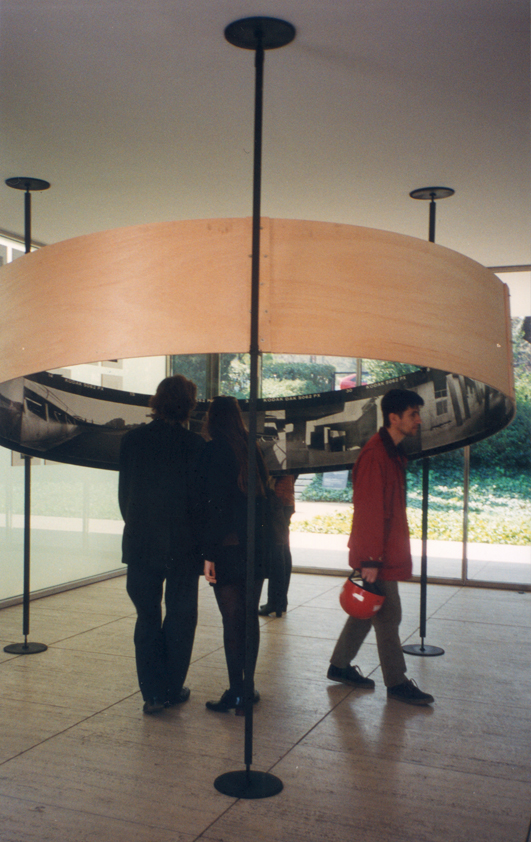
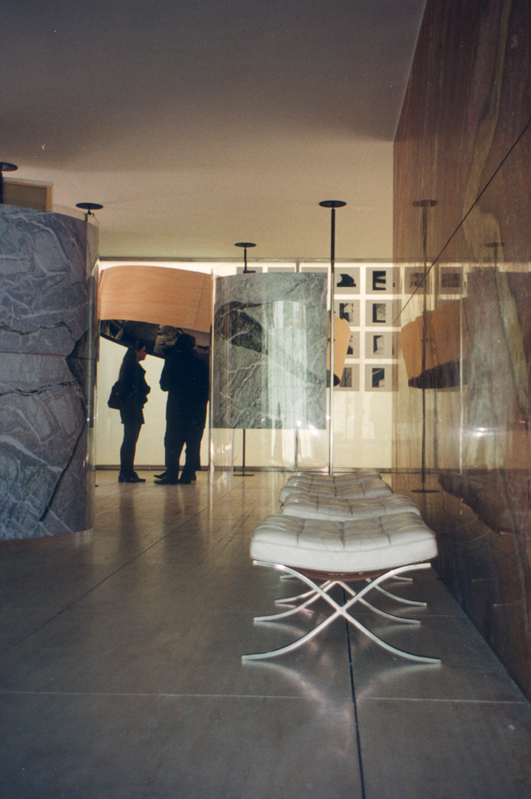
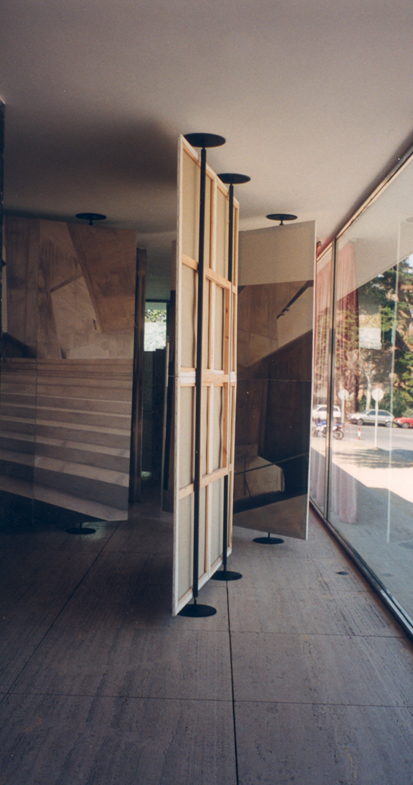
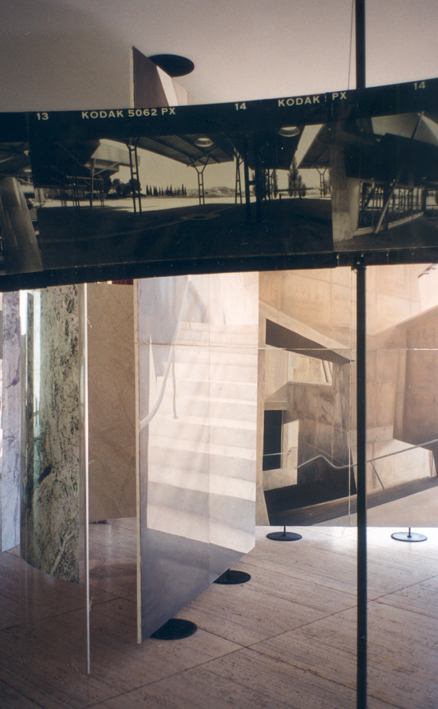
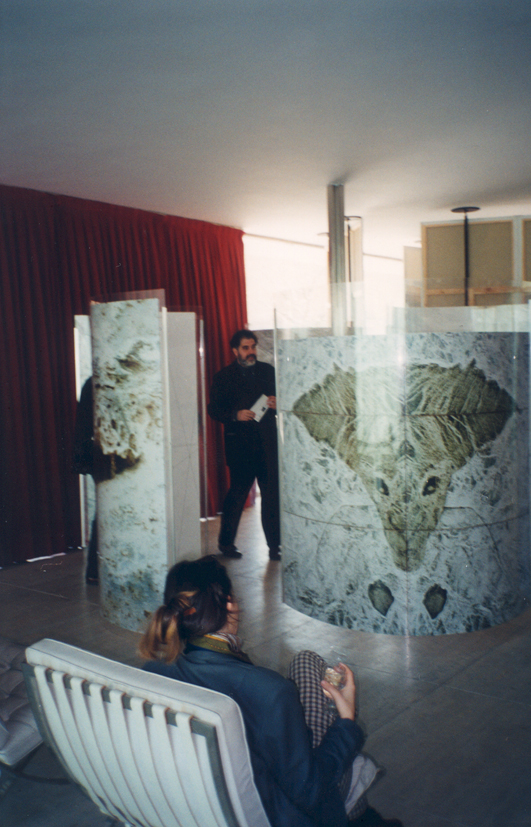
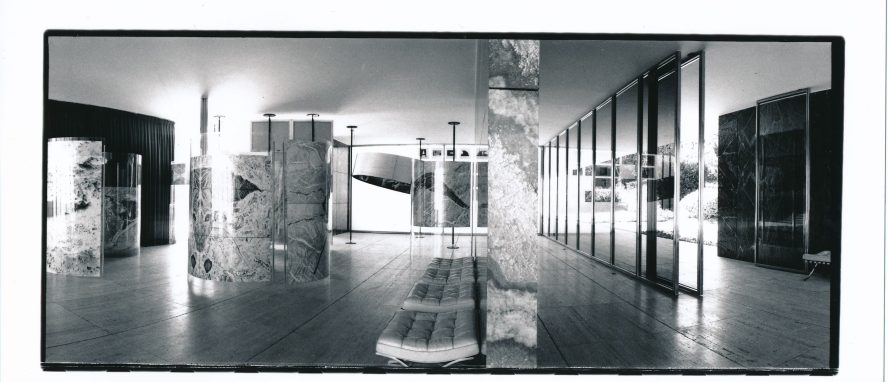
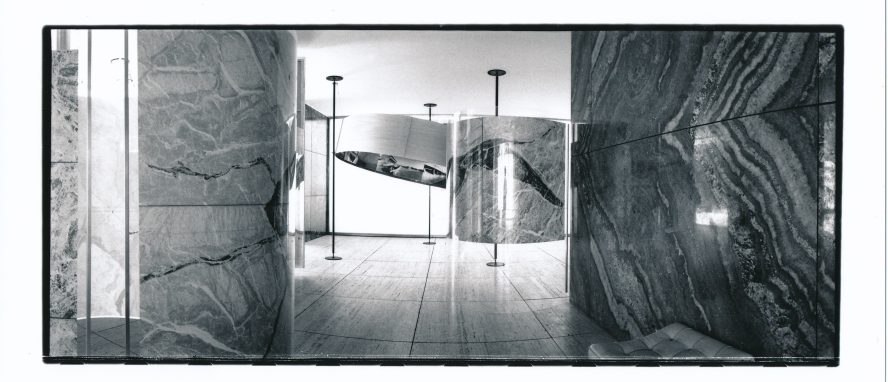
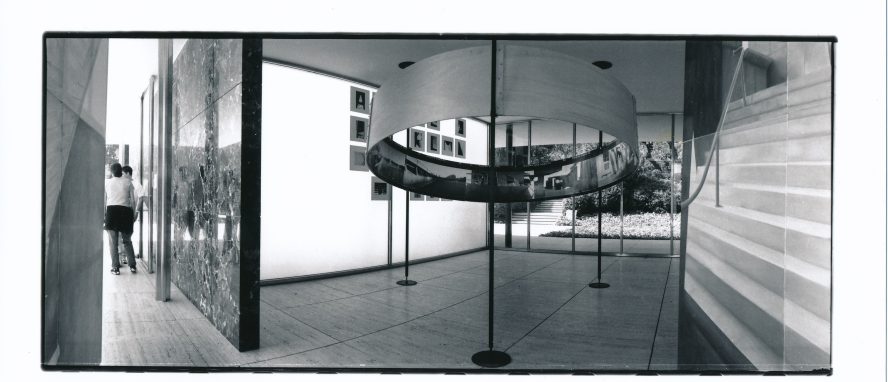
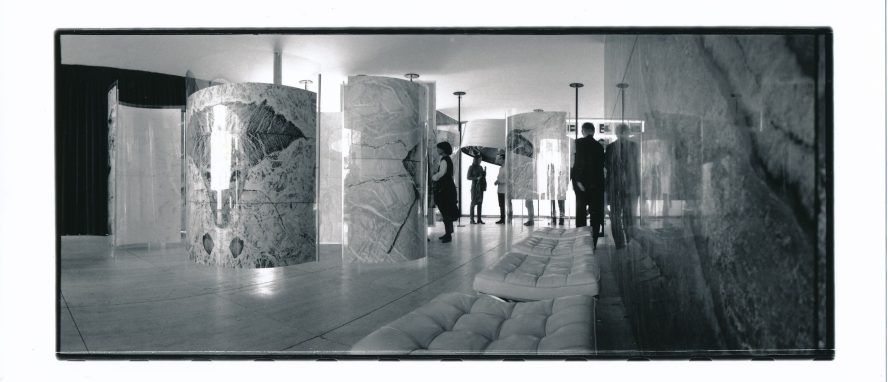
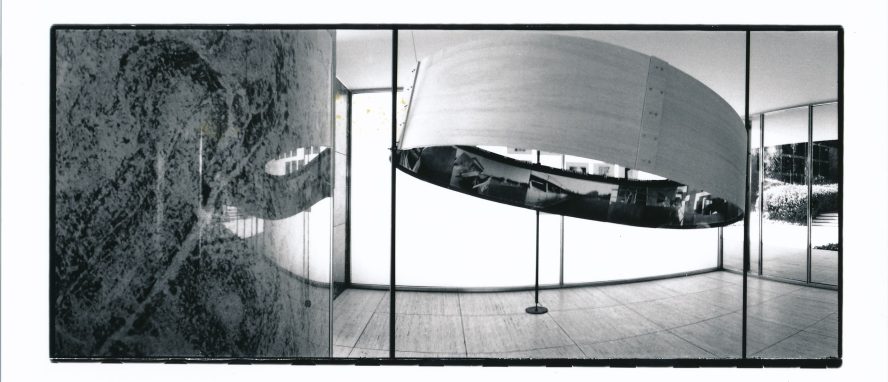
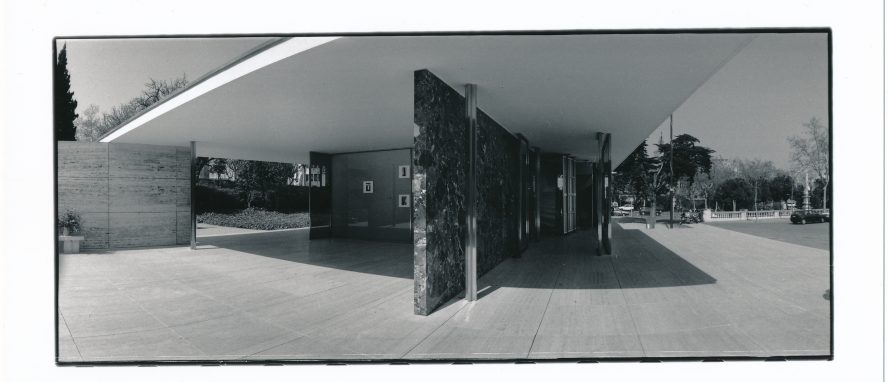
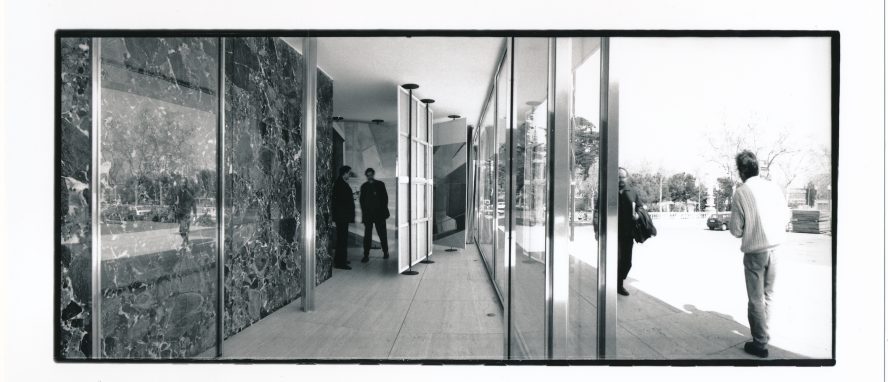
Similar elements to those installed at the 1996 Venice Biennale occupied a year later a place as historically and architecturally marked as the Mies van der Rohe pavilion, where the challenge for the architects was to dialogue with a space very much determined by purity and essentiality.
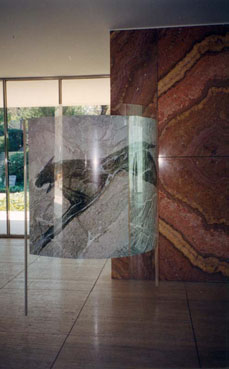
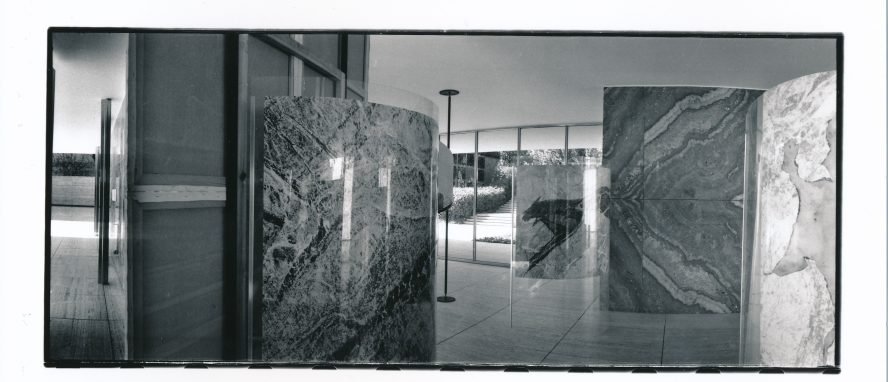
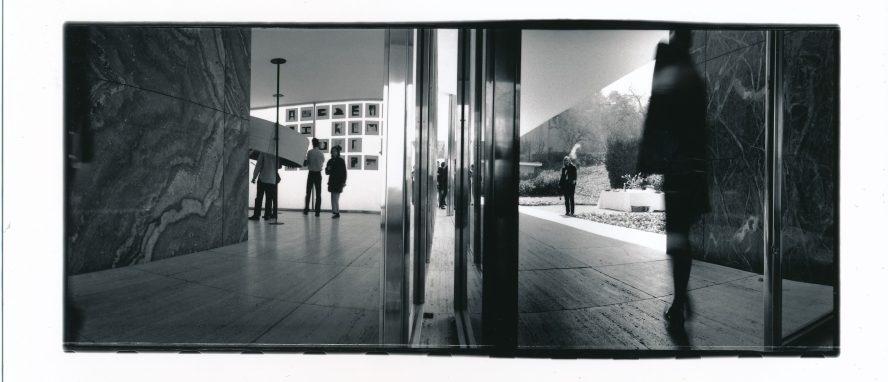
In addition to proposing a specific layout for the pavilion, Miralles and Tagliabue added to the components of the Venetian project a series of photographs by the anthropologist Domi Mora, author of the alphabet of shadows that was already part of the exhibition. The snapshots showed details of veins in the marble of the pavilion itself, in which figures similar to those in cave paintings could be glimpsed. In this way, the building moved away, in a certain way, from its purism to become a cave. At the same time, purity and abstraction gave way to festivity through the celebration of a meal outside.
Enric Miralles (1955-2000) and Benedetta Tagliabue (1963– ) EMBT is an internationally acknowledged architecture studio founded in 1994 just before the start of the Summer Olympic Games in Barcelona’92, an apogee period of the city and its architecture. During their cooperation, Enric and Benedetta started projects like the New Scottish Parliament Building in Edinburgh, the Utrecht City Hall in The Netherlands, the Headquarters of Gas Natural Fenosa, the Renovation of the Market and neighbourhood of Santa Caterina, their own house in the old city in Barcelona and so on.
Date
14.03.1996 > 30.03.1996
Place
Mies van der Rohe Pavilion
Photography
b&w: Domi Mora
colour: Txell Cuspinera